
From Waste To Worth. Made With Purpose.
Every Gracela briquette begins with the belief that valuable resources should never go to waste. Discover how we transform agricultural residues into practical biomass energy products through a carefully managed production process.
A Thoughtful Process. A Practical Result.
We believe sustainable innovation begins by recognizing the potential in resources that are often overlooked.
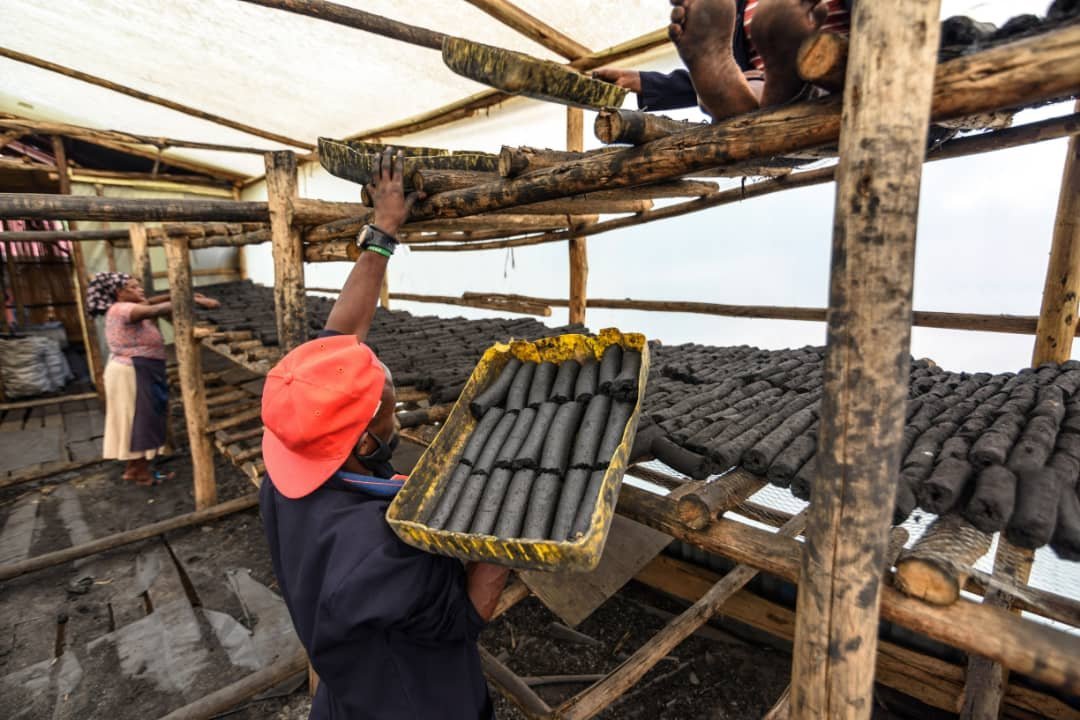
At Gracela Ventures, agricultural residues are sourced, prepared, carbonized, combined with suitable binders and shaped into biomass briquettes. Each stage contributes to the transformation of organic material into a useful solid fuel product.
From the first stage of sourcing to the final stage of distribution, our process reflects our commitment to resourcefulness, responsible manufacturing and practical energy solutions.
Follow the Journey. Discover the Process.
Explore each stage of our briquette manufacturing process, from sourcing agricultural residues to preparing finished products for customers.
Sourcing Raw Materials.
Every briquette begins with carefully selected organic resources.
 01
It Starts With the Right Resources
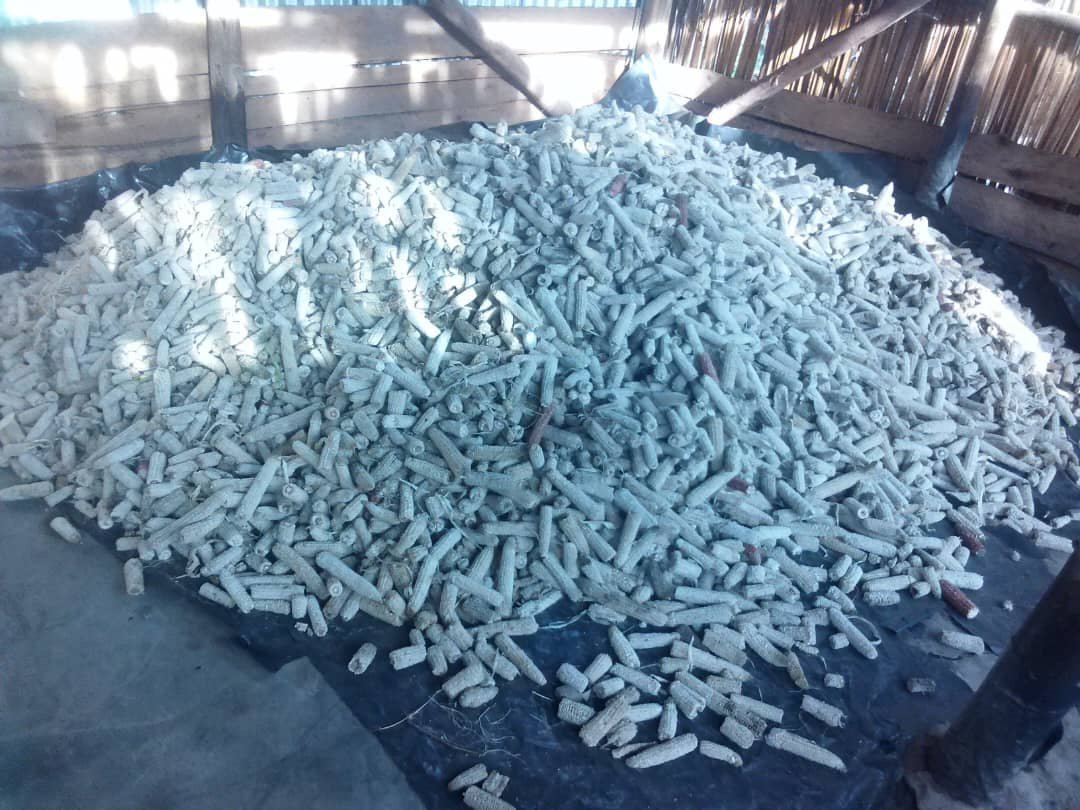
Gracela Ventures sources agricultural waste and other suitable biomass materials from available suppliers, including farms, mills and processing facilities.
Materials are sorted and inspected before production to help identify unsuitable substances and unwanted contaminants. This establishes the foundation for subsequent processing.
Shredding & Drying.
Preparing materials for the next stage of transformation.
 02
Preparing the Material
Once suitable raw materials are collected, they undergo preparation. Larger materials may be shredded into smaller pieces to make handling and subsequent processing easier.
Moisture content is also addressed during this stage. Removing excess moisture helps prepare the material for the carbonization process and supports more predictable processing conditions.
Carbonization & Char Preparation.
Transforming prepared biomass into a carbon-rich material.
 03
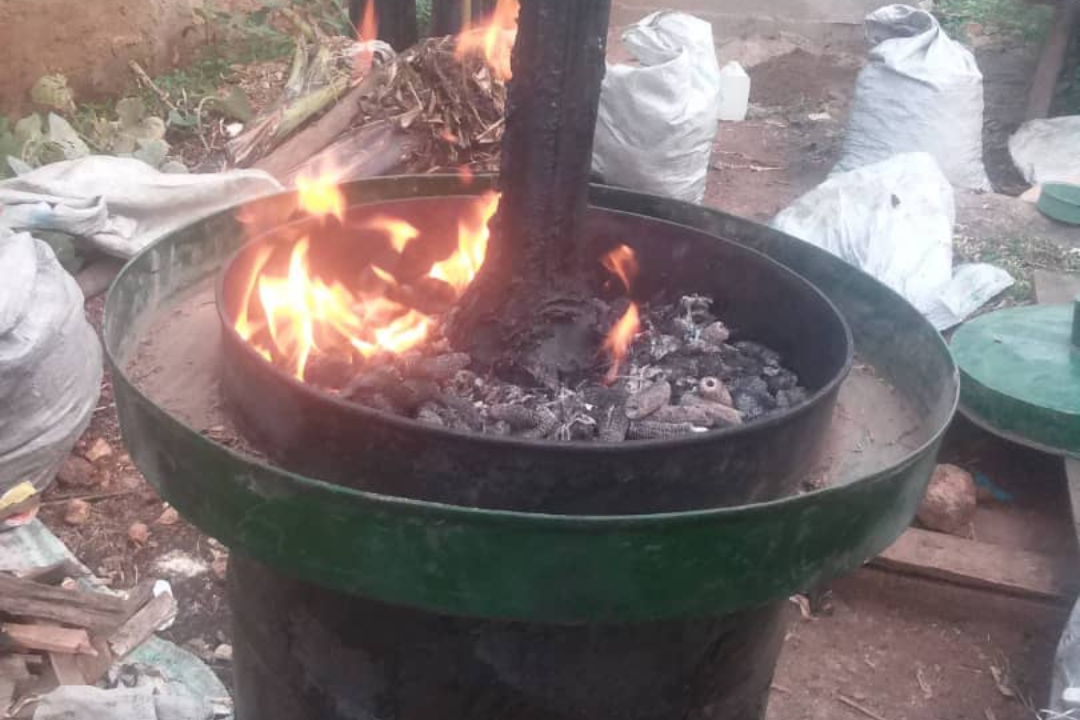
Converting Biomass Into Char
Carbonization is the process of heating biomass under restricted oxygen conditions to produce a carbon-rich solid material commonly known as char.
According to Gracela's published production process, the resulting char is prepared and ground into a finer material before moving to the mixing stage.
Mixing & Compression.
Combining prepared materials and shaping them into briquettes.
 04
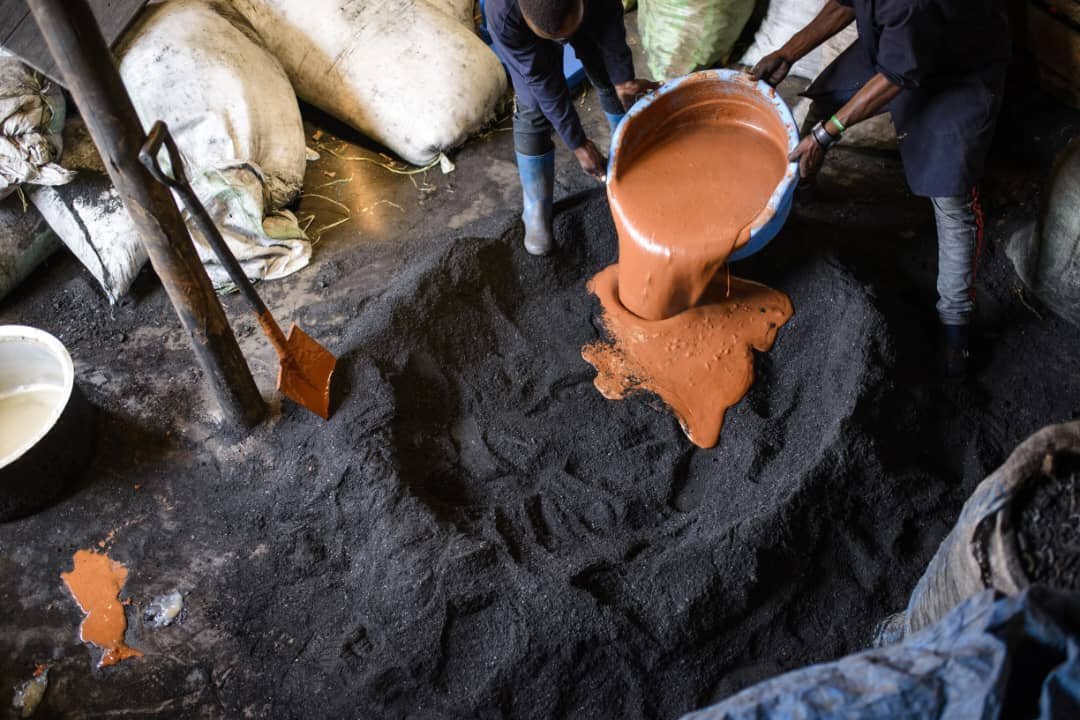
Giving the Briquettes Their Shape
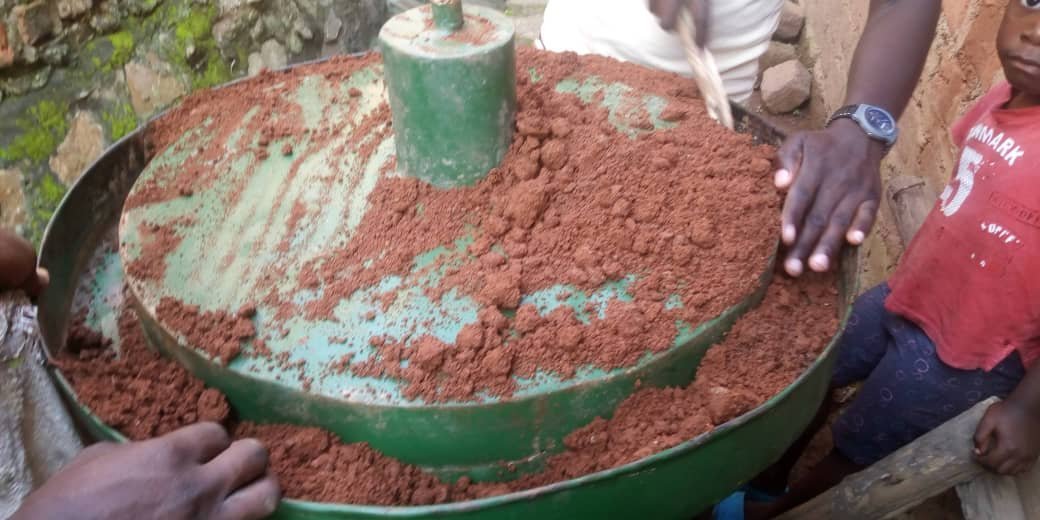
Prepared charcoal powder is combined with an appropriate binder to help the particles hold together during shaping.
Gracela's existing process description identifies natural binders such as cassava starch. The prepared mixture is then compressed into briquettes, giving the fuel its recognizable shape and structure.
Packaging & Distribution.
Preparing finished briquettes for storage, sale and delivery.
05
From Production to the Customer
Following compression, briquettes are dried as necessary and prepared for handling and storage.
Finished products are then prepared for packaging and distribution. Gracela Ventures offers wholesale and retail supply arrangements, with delivery requirements discussed according to customer needs.
More Than a Process. A Commitment to Purpose.
Good manufacturing begins with thoughtful decisions about materials, processes and the needs of the people who will use the final product.
Responsible Resource Use
Finding productive applications for suitable agricultural residues and organic resources.
Attention to Preparation
Recognizing the importance of material suitability, moisture management and careful product formation.
Practical Customer Solutions
Producing biomass fuel for appropriate household, business and institutional energy applications.
From Raw Materials To Ready-to-Use Fuel.
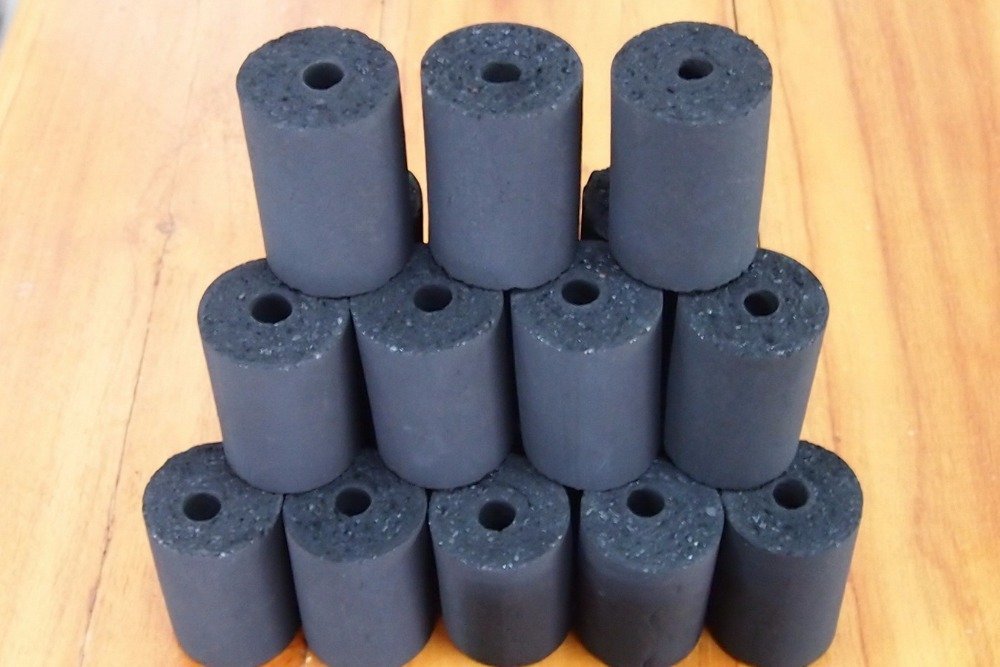
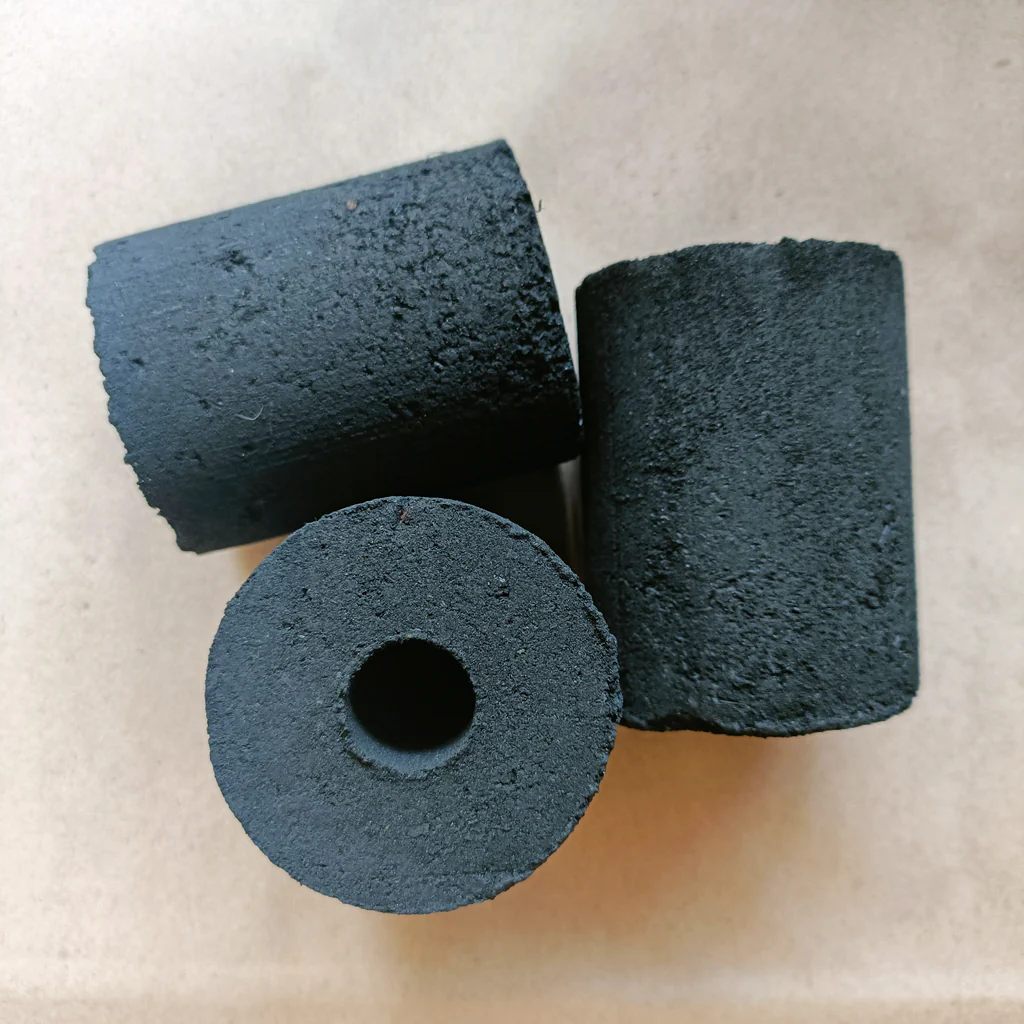
The final result is a practical biomass fuel product, shaped for handling and suitable energy applications.
Gracela Ventures produces cylindrical biomass briquettes from processed organic residues. These products are offered as an alternative solid fuel for compatible cooking and heating equipment.
Curious About How We Work?
Here are a few answers to common questions about the production and preparation of biomass briquettes.
Explore All FAQs01 What materials are used to produce biomass briquettes?
Biomass briquettes can be produced using suitable agricultural residues and other organic materials. Gracela Ventures describes sourcing agricultural waste from available suppliers before preparing it for production.
02 Why are the materials shredded and dried?
Shredding reduces the size of larger materials, while drying helps manage excess moisture. Both activities prepare suitable biomass for subsequent production stages.
03 What happens during carbonization?
Carbonization involves heating biomass under restricted oxygen conditions. The process produces a carbon-rich material called char, which can then be prepared for mixing and briquette formation.
04 Why is a binder used when making briquettes?
Binders help charcoal particles hold together during compression. Gracela's published process identifies cassava starch as an example of a natural binder used in production.
05 How can I enquire about finished briquettes?
You can contact Gracela Ventures through the website's Contact page. Share your expected quantity, preferred delivery location and any specific product requirements so the team can discuss the available options.